Smart Mink Trap & Raft

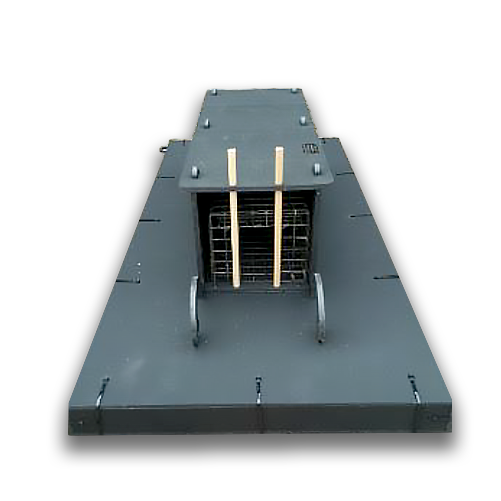
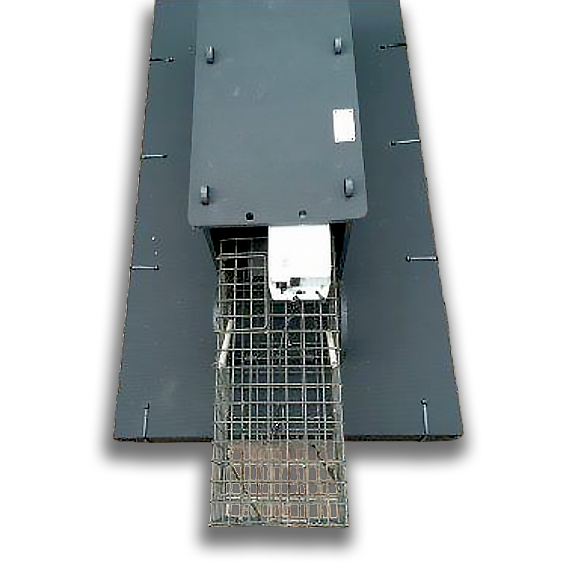
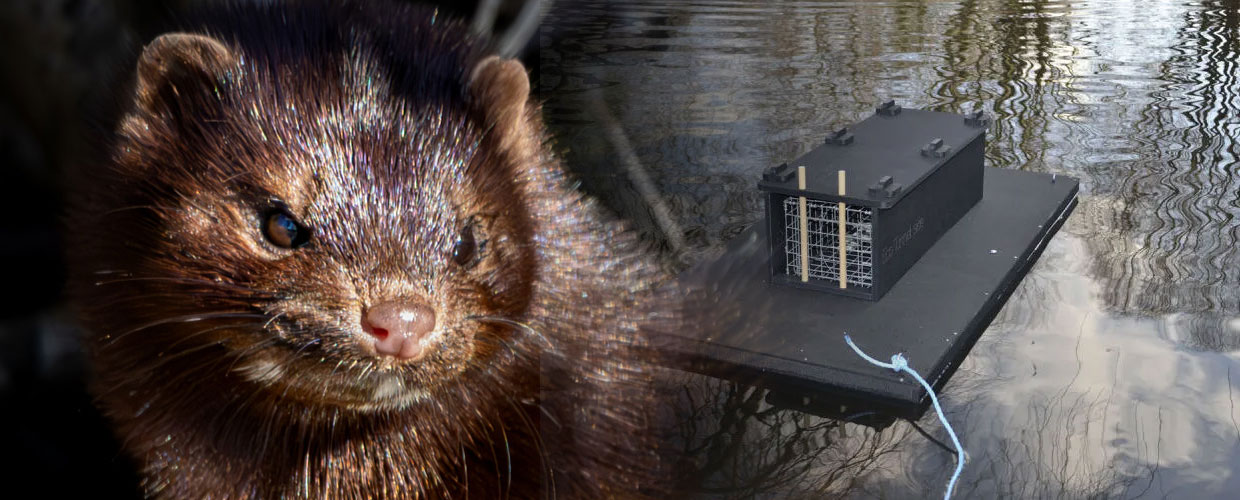
The Smart Mink Trap & Raft system combines a floating raft, a live cage trap and a remote monitoring unit to make mink control more effective and more responsive. It also helps support high standards of welfare and field practice by allowing traps to be checked promptly when activated.

This page brings together the practical guidance, downloads and related resources most often needed by people using the system. Use the sections below for equipment advice, assembly guidance, deployment information, water vole protection measures and links to dispatch, record keeping and DNA sampling guidance.

NOTE: WRT does not sell rafts or cage traps. All of the equipment listed below is readily available online to the general public.

Equipment and suppliers

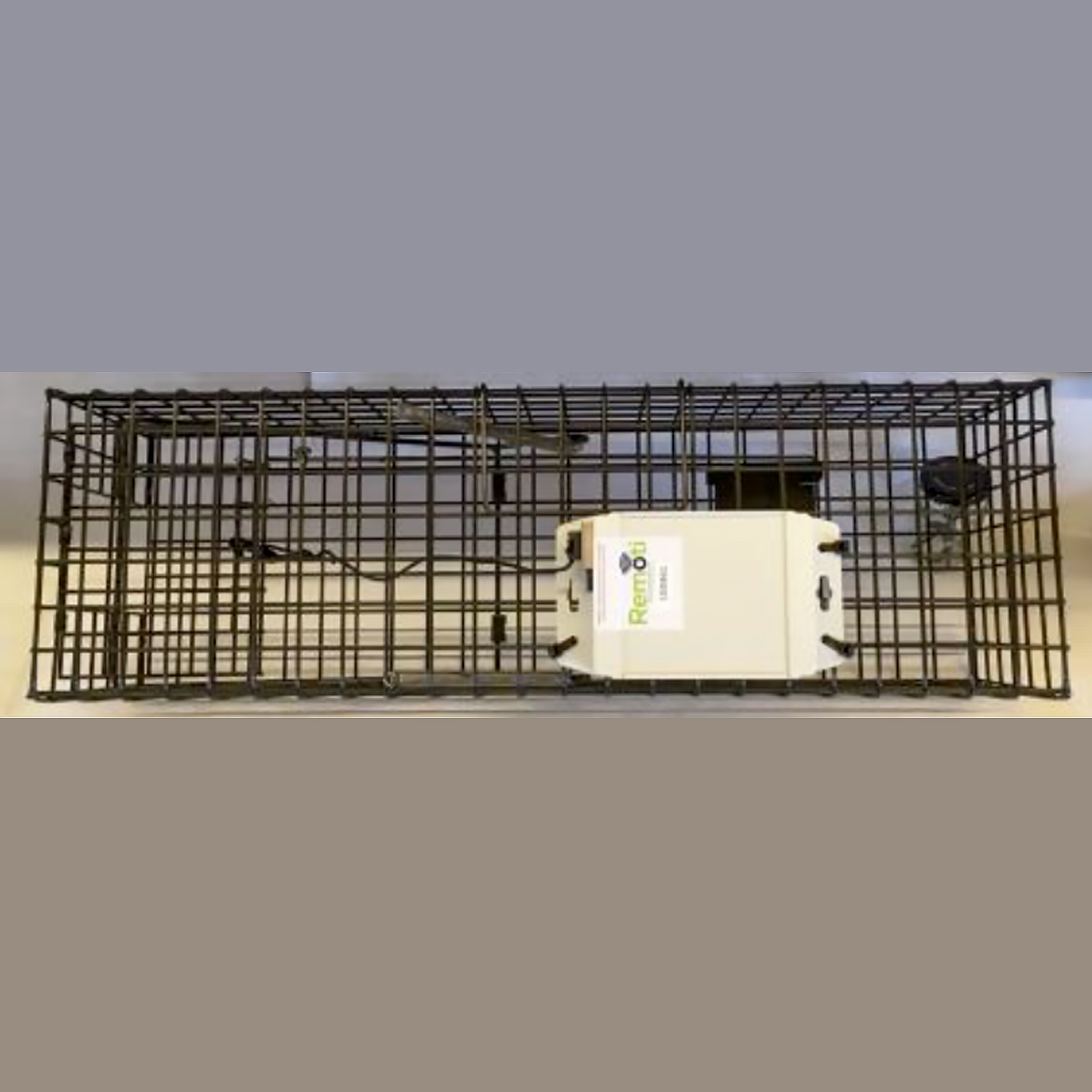
The standard Waterlife Recovery Trust smart trapping setup uses three core components: a raft, a cage trap and a Remoti monitoring unit. When the trap door closes, the Remoti unit sends an alert, allowing a prompt response in the field.

This approach reduces the need for routine manual checking and supports practical trapping at scale across rivers, drains and wetlands.

Assembly and setup

The recommended system includes a Filcris edged mink raft, a Perdix live cage trap and a Remoti trap monitoring unit. The Smart Mink Trap & Raft guidance explains the preferred setup, why these components are used and the indicative cost of each item.

In most cases, equipment is not bought directly from Waterlife Recovery Trust. See relevant manufacturers and suppliers list.

Testing and alerts

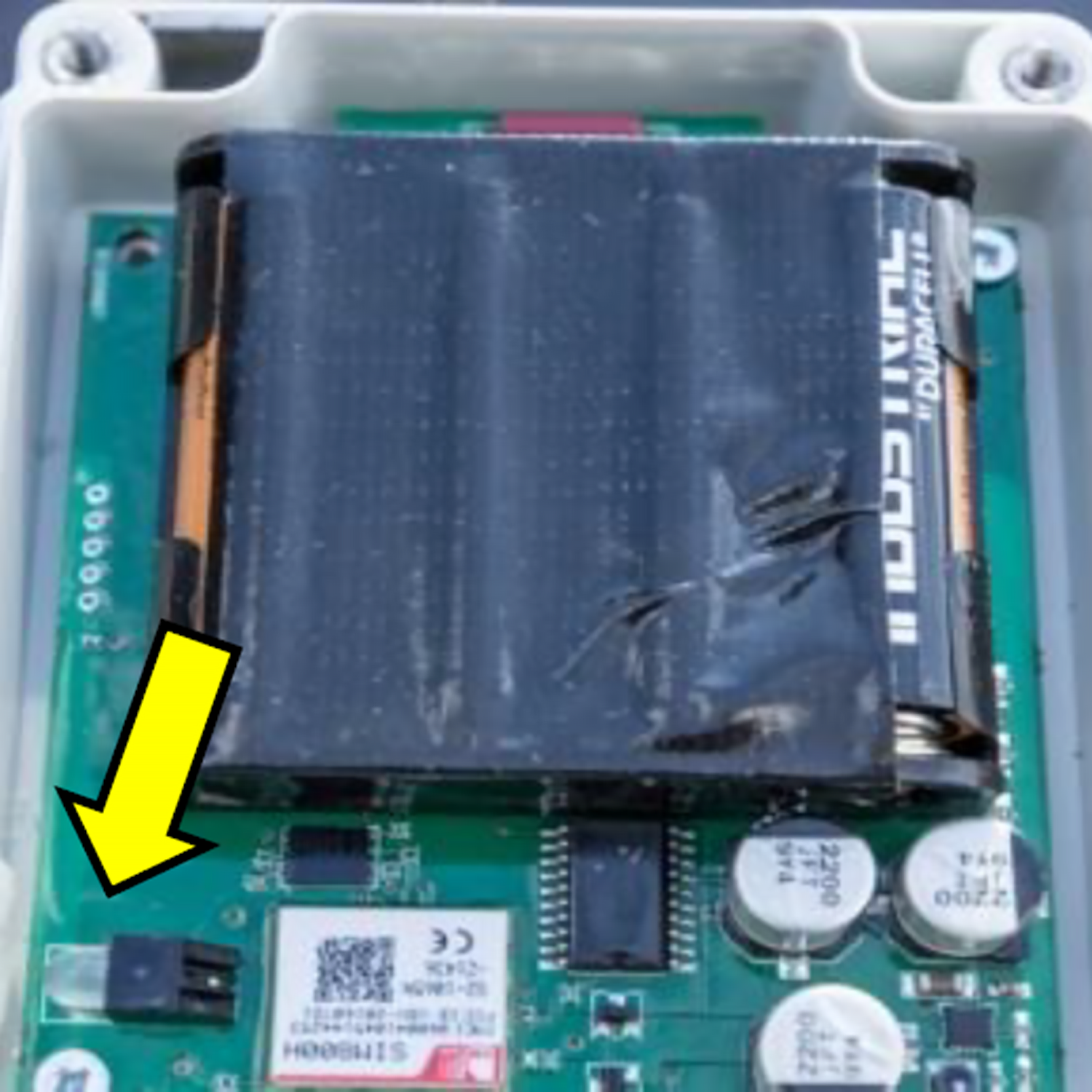
Before a trap is deployed, the Remoti unit, cage trap and raft all need to be assembled and checked carefully. This includes preparing the Remoti unit, checking the trap door and treadle, fitting the connecting cable, mounting the Remoti on the trap and building the raft correctly.

Correct setup is essential for reliable alerts, smooth trap operation and safe use in the field. The Waterlife Recovery Trust guidance also highlights specific setup details, such as securing the magnet in place and making sure the trap door connection can be replaced easily if damaged.

Suppliers

FILCRIS: Raft Supplier

Filcris

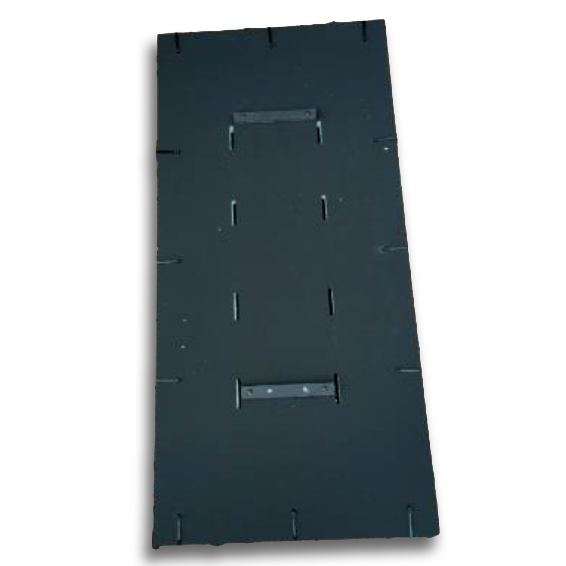
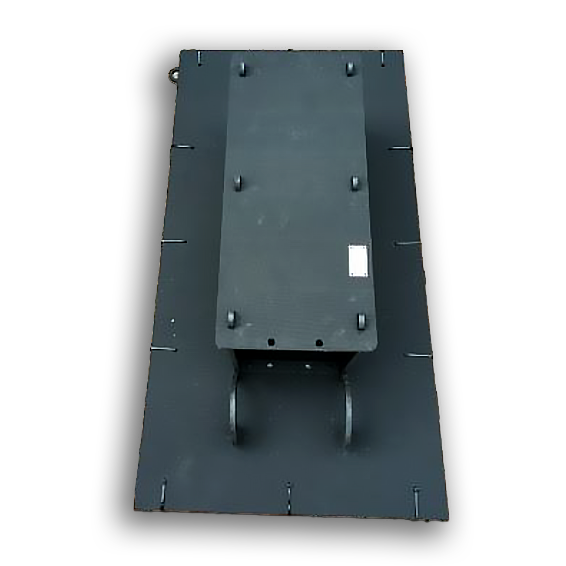
Edged mink raft with 215mm high tunnel walls and no hole for a clay pad – marketed as ‘Fenland Edged’.

Cost – £186.59 incl VAT (discount available on bulk orders, and price is subject to change).

Notes: This raft does not shed polystyrene balls and should have an almost unlimited working life. Doing away with the hole in the floor eliminates any risk that mink may not like to walk on wire mesh and increases the retention of scent from previous mink.

PERDEX: Cage Supplier

Perdix

Mink trap with reduced entrance. Comes with green powder coating as standard.

Cost – £56.40 incl VAT (discount available on bulk orders, and price is subject to change).

Notes. Perdix cage traps are sturdy and well made; more so than other, less expensive makes. They are fitted with wire mesh doors, which allow the quick and easy attachment of the cable from the alarm unit magnet. As with other cage traps, each unit must be checked and adjusted before being deployed. See instructions below.

REMOTI: Trap Monitoring

Remoti

Cost £118.80 incl VAT for unit and one year of operation. The cost thereafter is about £27+VAT per year. Additionally, there is a small charge for each text message (<5p).

Notes. The only viable alternative to Remoti at present is Mink Police, although Perdix has long been intending to market a more sophisticated (and expensive) trap alarm. Mink Police are currently being marketed commercially in the UK at £199 incl VAT (e.g. Fourteenacre Ltd).
Remotis are very reliable, and the manufacturer (Ben Morley) will readily replace any that fail. Their main disadvantage compared to Mink Police is that they have no antenna cable extension option, but in most cases, these would not be helpful, anyway.

Monitoring unit setup

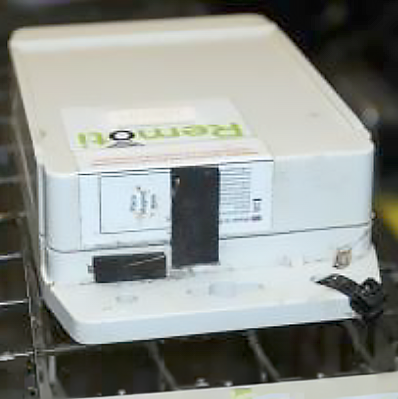
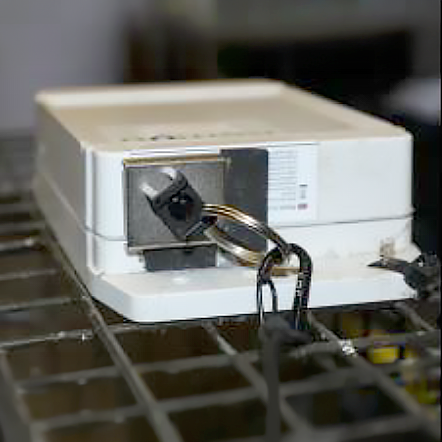
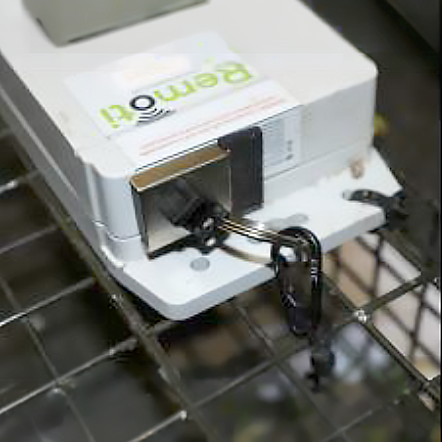
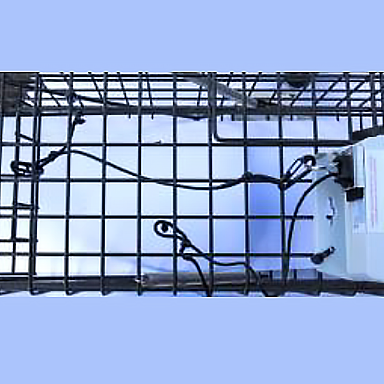
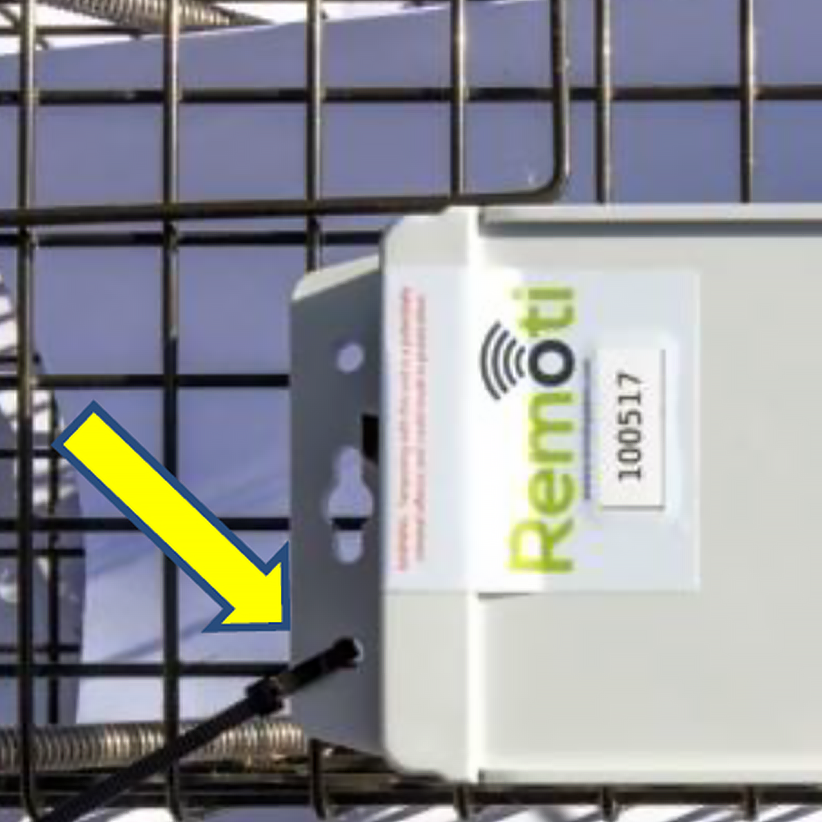
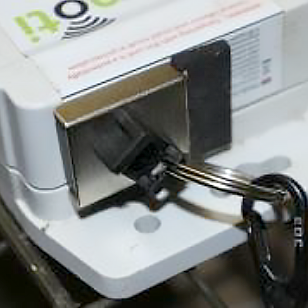
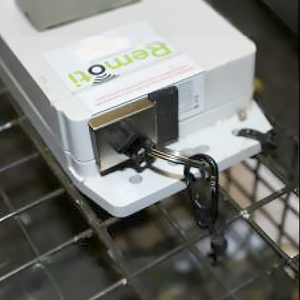
Remoti mounted on top of the cage trap with cable ties. Sticky-backed foam strips support the magnet in place on the Remoti housing and allow the magnet to be reset in the correct position every time. The magnet cannot slip downwards and set off the alarm when the raft is agitated by wind or boat wash. Having the Remoti on top of the trap, under the tunnel roof, prevents animal interference with the magnet or the cable attached to it. Another significant advantage of this configuration is that the cable twixt magnet and trap door is short and does not need to negotiate any bends when being pulled by the door. If anything, on average the signal strength of the Remoti is higher when the unit is placed horizontally.

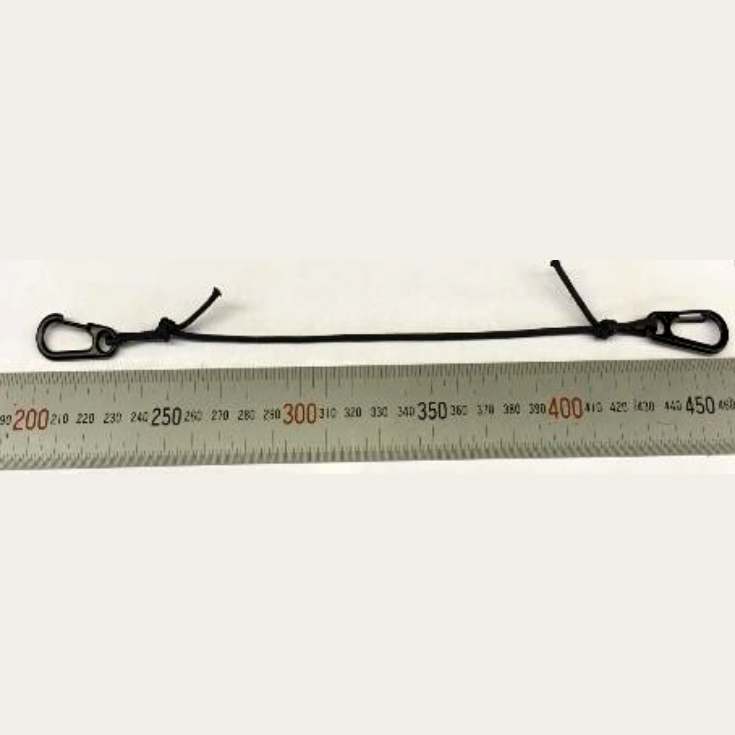
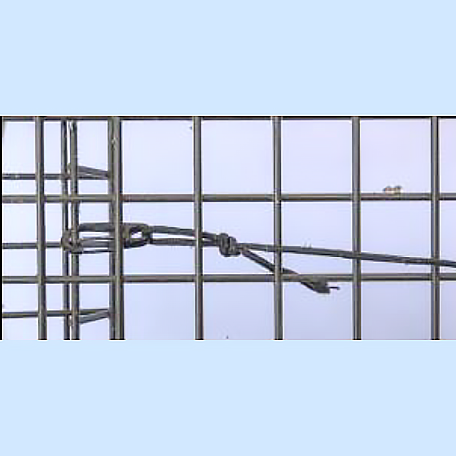
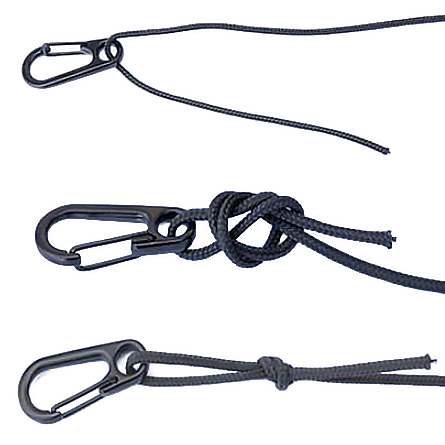
The magnet is the standard one supplied by Remoti, to which a key-ring style spiral clip is attached. It is connected to the trap door by a short piece of braided nylon cable (2mm black cable costs £6.45 for 50m on eBay). The cable is secured in place at each end by a mini carabiner clip (16p each on eBay, in packs of 10). The carabiners allow a cable to be replaced in 20 seconds and can be re-used many times.

The cable that connects the trap door to the magnet may be chewed by a captured animal, whether it’s a mink, rat or water vole. Given that failure of the cable could be disastrous (in that the trap door could close but the alarm not be triggered) we have opted for a cable that is cheap and easy to replace if damage is even suspected. In reality, the cable requires replacement only in 10-20% of trap alarms. Tying a chewed cable back together is inadvisable because the knot may get caught on the trap mesh.

Identifying plaque

For any raft on a river or other public place, it’s helpful to place on it a plaque or label that will allow it to be returned if it gets washed away, and for people to see that the equipment is owned by an identifiable person or group. The plaques are made of stainless steel and are screwed to the roof of the tunnel (using stainless steel screws).

Deployment and water vole protection

Once assembled and tested, the smart raft needs to be deployed in the right place and secured correctly for changing water levels and conditions. The guidance covers choosing a suitable site, deciding how many rafts may be needed, tethering the raft safely and launching it in a way that allows it to work effectively.

This section should also help users reduce the risk to non-target species. Water vole excluders can be fitted where needed, and supporting guidance is available on deployment and on reducing the incidental trapping of water voles.

Inspection and safety

Smart rafts and traps should be checked on every visit, after flood events, and at regular intervals if no activations are reported. The Trust’s guidance recommends checking tethers, stakes, knots, trap interiors and the cable linking the Remoti magnet to the trap door, with each inspection logged appropriately.

Every trap visit also involves some risk near water. Users should move carefully, assess conditions on every approach and follow wider Waterlife Recovery Trust health and safety guidance when working in the field.

Full instructions on Mink Raft Deployment.

Full instructions on Water Vole exclusion.