Q&A's

This page brings together the questions we are most often asked about smart mink trapping, equipment, humane dispatch and further guidance. It is designed as a practical starting point, with short answers and links to more detailed instructions, downloadable PDFs and Waterlife Recovery Trust updates.

Use the sections below to find the information you need, whether you are getting started, choosing equipment, looking for best-practice guidance or trying to stay up to date with the Trust’s latest work.

What is smart mink trapping?

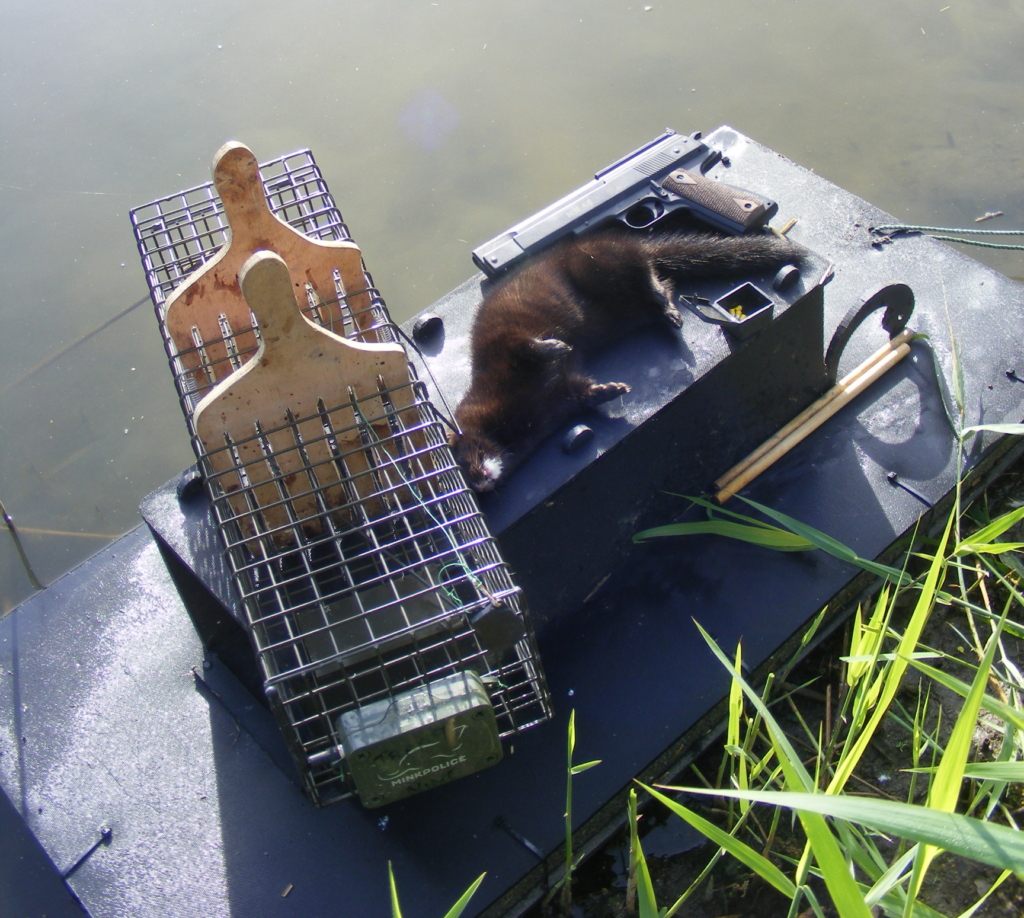
Smart mink trapping uses a live cage trap fitted with a remote monitoring device, so the trap can send an alert as soon as the door closes. This allows a rapid response, improves animal welfare and reduces the need for daily in-person trap checks.

Why does Waterlife Recovery Trust recommend smart traps?

Smart traps make mink control more effective and more humane by allowing traps to operate continuously while still being checked promptly when triggered.
They also help volunteers and project staff manage more sites efficiently across large river catchments.

Where should I start if I am new to this?

The best place to begin is the Trust’s getting started guidance and the Smart Mink Trap & Raft page, which answer common questions and point to the main practical resources.

What equipment do I need?
A typical smart trapping setup includes a floating mink raft, a live cage trap and a remote monitoring device. The Smart Mink Trap & Raft page explains the recommended components and links to the relevant suppliers and supporting documents.

How do I assemble a smart mink raft and trap?
The Smart Mink Trap & Raft page provides step-by-step guidance and links to downloadable PDFs covering assembly, setup and deployment. These documents include practical details for fitting and using the system correctly in the field.

Can I buy equipment directly from Waterlife Recovery Trust?
In most cases, no. Users are usually asked to buy the recommended equipment directly from the manufacturers listed on the Smart Mink Trap & Raft page.

Where can I find water vole excluder instructions?
Instructions for fitting a water vole excluder are available in the PDFs linked from the Smart Mink Trap & Raft page. These are especially useful where traps are deployed in areas used by water voles or other non-target species.

Where can I find guidance on humane dispatch?
The Humane Dispatch & Record Keeping page sets out Waterlife Recovery Trust’s guidance on humane dispatch, welfare considerations and the records that should be kept.

What records should I keep?
The same guidance explains the importance of keeping clear records when traps are activated and when animals are dispatched.
Accurate record keeping supports both best practice and wider project monitoring.

How do I take tissue samples for DNA analysis?
The Humane Dispatch page links to a separate best-practice PDF on taking tissue samples for DNA analysis.
This document explains how to collect, handle and submit samples correctly so they remain useful for research and monitoring.

Find out all you need to know on Humane Dispatch and Record Keeping.

How can I keep up to date with Waterlife Recovery Trust’s work?
The Trust’s newsletters are a good way to follow project updates, practical guidance and progress across different regions. They can be accessed through the Waterlife Recovery Trust bibliography and newsletter listings.

What if my question is not covered here?
This page is intended to answer the most common questions, but it will continue to grow as new topics are added.
If you cannot find what you need, please contact the Trust directly using our contact form or explore the linked guidance pages for more detailed information.