Control and Eradication

Why Mink control matters

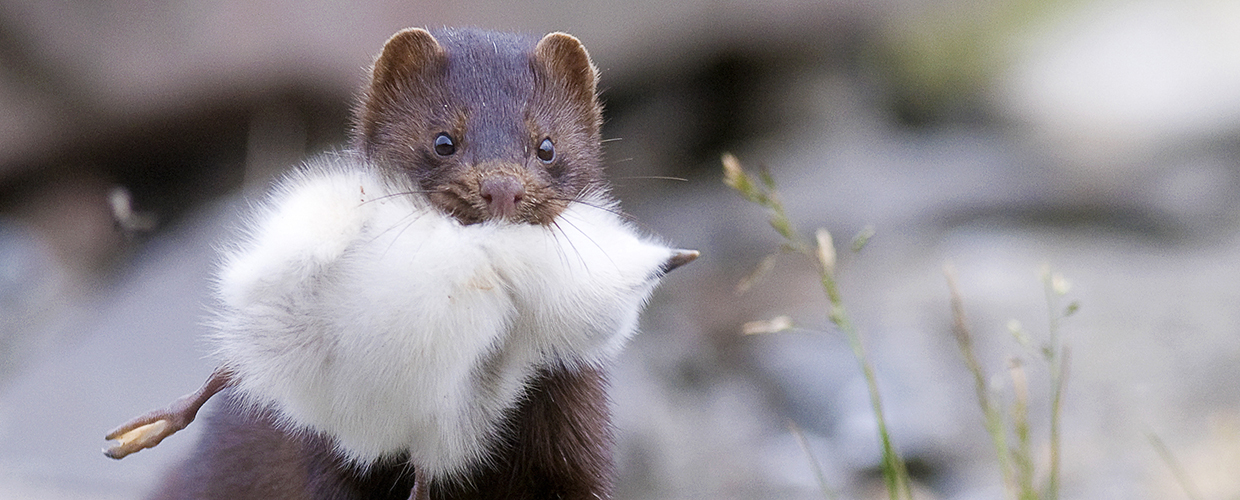
American mink are not part of our native fauna. They were brought to Britain for fur farming and, once established in the wild, have proved to be highly effective predators of river and wetland wildlife. In places where mink are left unchecked, they can rapidly wipe out local water vole populations and take a heavy toll on birds, amphibians, fish and small mammals.

Control work is about preventing that loss. By deliberately reducing mink numbers in key catchments, projects have already allowed water voles to return to rivers where they had vanished and helped ground‑nesting and hole‑nesting birds, such as sand martins and kingfishers, to breed more successfully. Without intervention, the damage simply continues year after year, which is why Waterlife Recovery Trust treats mink control as a necessary part of safeguarding native wildlife.

Many people are understandably uneasy about killing any mammal, especially one that can look sleek and charismatic. Everyone involved in Waterlife Recovery Trust’s work cares deeply about animals, and no one takes the decision to dispatch mink lightly. The ethical question is not whether mink lives matter, but what happens if we do nothing in the face of an established invasive predator.waterliferecoverytrust.org+1

With mink already widespread in our countryside, something will die. If we stand back, millions of native animals – water voles, moorhens, kingfishers, sand martins, lapwings, amphibians and fish – will continue to be taken by mink every year, indefinitely. The alternative is to trap mink using humane live‑capture methods and dispatch them quickly, preventing the far greater loss of native wildlife that would otherwise occur.waterliferecoverytrust.org+1

It is an uncomfortable choice, but avoiding it simply means choosing, by default, to accept ongoing damage to our most vulnerable species. Waterlife Recovery Trust and its partners have chosen to act, believing that most people, when presented with the facts, would agree that humanely removing a limited number of invasive mink is better than allowing them to destroy countless native creatures.waterliferecoverytrust+1

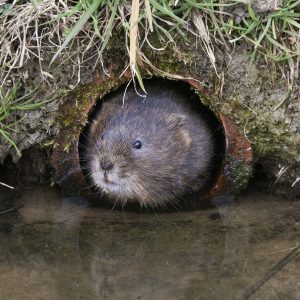
Water Vole

  • Endangered in the UK
  • Population down 90% in 20 years
  • Main reason – Predation by Mink

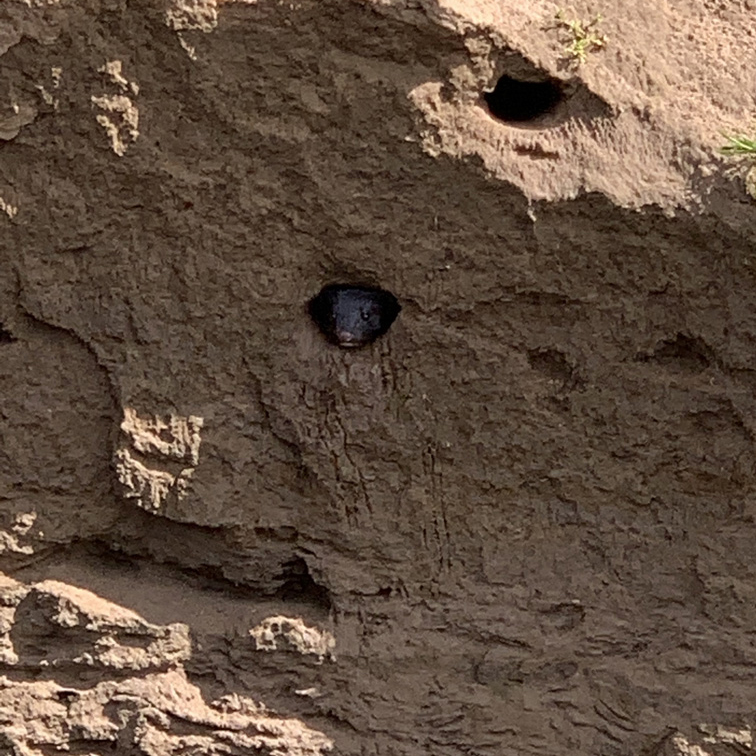
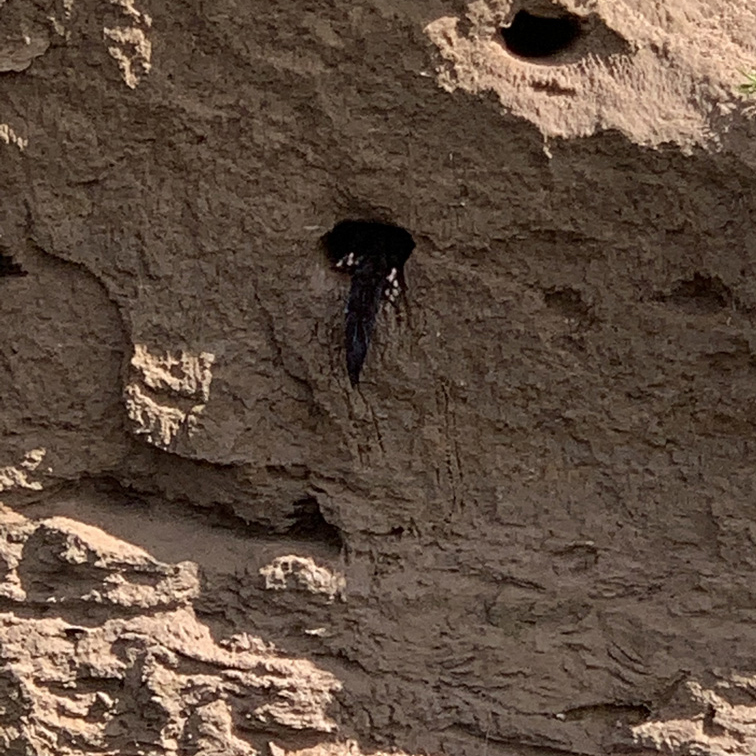
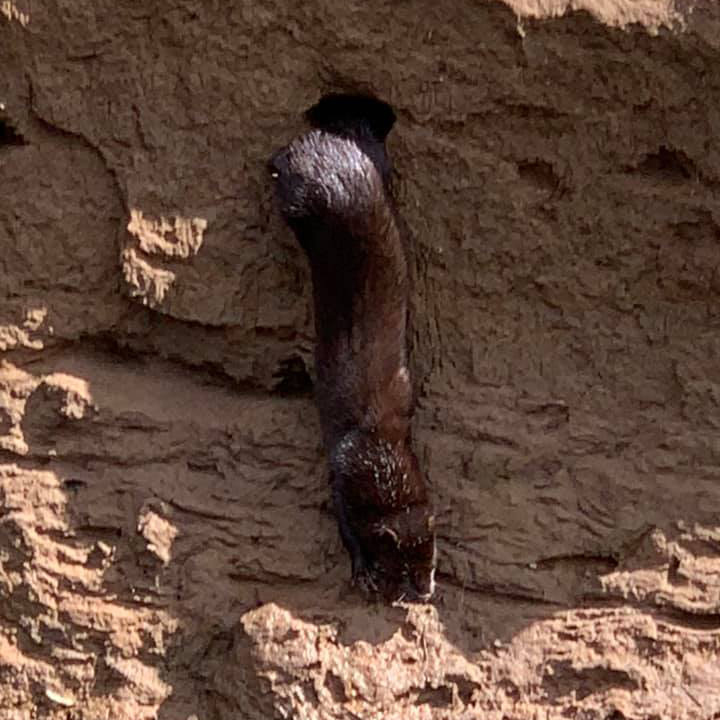
Mink checking nests on riverbank

In conservation, “control” and “eradication” are not the same. To control an American mink population is to reduce its size; to eradicate it is to reduce it to zero. A control project that cuts mink numbers by 99.9% might be seen as a great success, but from an eradication point of view it is a failure, because the remaining animals can rebuild the population over time.wcl.org+1

Traditional mink control has been hugely valuable in Britain, giving water voles and other species breathing space whenever trapping effort is maintained. However, that respite usually lasts only as long as the funding and volunteer enthusiasm do. When the effort stops, mink tend to return and the cycle of damage starts again, along with the need to find fresh resources for more control work.wcl.org+1

Eradication, where it is achievable, offers something very different. Removing mink completely from a landscape is more challenging at the outset, but in the long term it is cheaper, more humane and far better for wildlife, because the work does not need to be repeated endlessly. For Waterlife Recovery Trust, the goal is that successful eradication in Britain would mean an end to mink trapping, an end to repeated water vole reintroductions and emergency funding appeals, and the start of a lasting recovery for rivers, wetlands and the species that depend on them.

DNA to indicate relationships, movements etc.

Behind the visible network of rafts and traps lies a growing body of research and innovation that helps make mink control smarter and more targeted. Tissue samples from trapped mink can be used for DNA analysis, revealing where animals have come from, how populations are connected and how quickly they are recolonising cleared areas. By tracking changes over time, this kind of genetic work helps refine trapping strategies, shows whether eradication fronts are holding, and highlights where new animals are likely to appear next.

eDNA to help us detect American mink at low densities

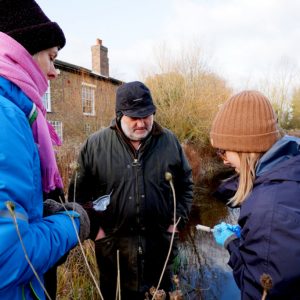
Environmental DNA (eDNA) adds another layer of insight. As mink and other animals move through rivers and wetlands they shed tiny fragments of genetic material into the water. By collecting and analysing water samples, researchers can sometimes detect mink presence even when animals are not seen and no traps have yet been triggered. eDNA surveys can therefore help confirm that an area is genuinely mink‑free, flag up early signs of recolonisation, or guide where new smart rafts and traps should be installed to intercept animals before they spread further.

Mink Dogs to help us find the last few American mink

Specialist detection dogs remain an important complementary tool. Trained to recognise mink scent, they can help locate animals or sign that might otherwise be missed in complex river landscapes, focusing effort on the places most likely to yield results. Combined with smart traps, remote alarms, DNA analysis and eDNA sampling, these methods all contribute to a more precise, evidence‑led approach. As technology and field methods continue to improve, Waterlife Recovery Trust aims to keep incorporating new tools that make mink detection and removal more accurate, humane and efficient, supporting a realistic route to a mink‑free landscape and the long‑term recovery of our rivers and wetlands.

Training for River Wardens in Essex on eDNA sampling