Humane Dispatch & Record Keeping
When an American mink is caught, it cannot legally be released. Humane dispatch must be carried out quickly, safely and only by someone who is trained, confident and legally permitted to do so. Every capture also provides valuable information, helping us understand mink populations and make eradication work more effective.
Before you respond
A trap activation needs a calm, prepared response. Before travelling to site, make sure the right person is available to attend, the required equipment is ready, and the location can be approached safely. Do not attempt dispatch if you are unsure, untrained or unable to meet the required safety and legal standards.
-
- Confirm the trap location and activation details
- Check that a trained, authorised person can attend
- Bring the necessary safety equipment and record materials
- Assess the site for public access, safe footing and safe conditions
- Follow the Trust’s firearms and safety guidance
Humane dispatch
Welfare comes first. The aim is to prevent unnecessary suffering by ensuring dispatch is immediate, controlled and carried out by a competent person using an approved method. Keep the situation quiet, avoid public view and refer to the full guidance for the required process, equipment and legal responsibilities.
Record every capture
A captured mink is more than a single record: it can tell us about local population size, movement and relatedness. Reporting captures promptly, and collecting information consistently, helps coordinators target effort where it will make the greatest difference.
Please record:
-
- Date and precise capture location
- Trap or raft reference
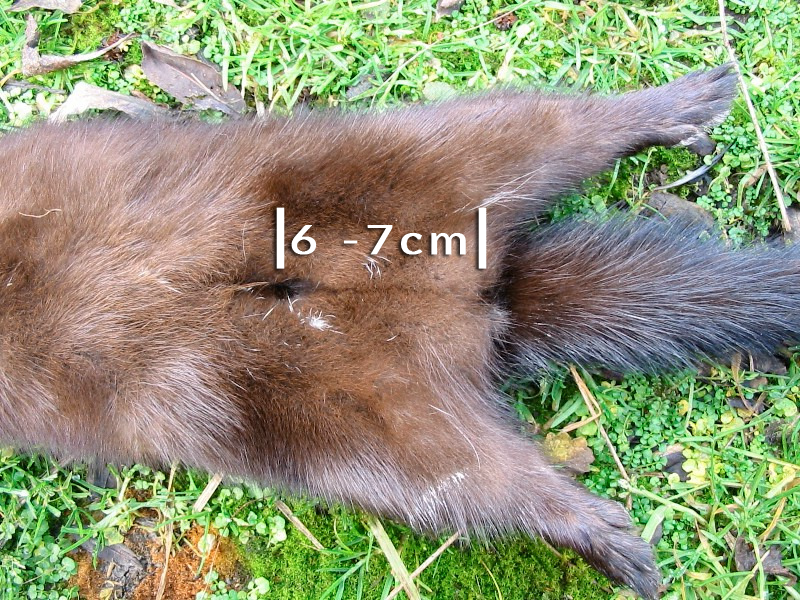
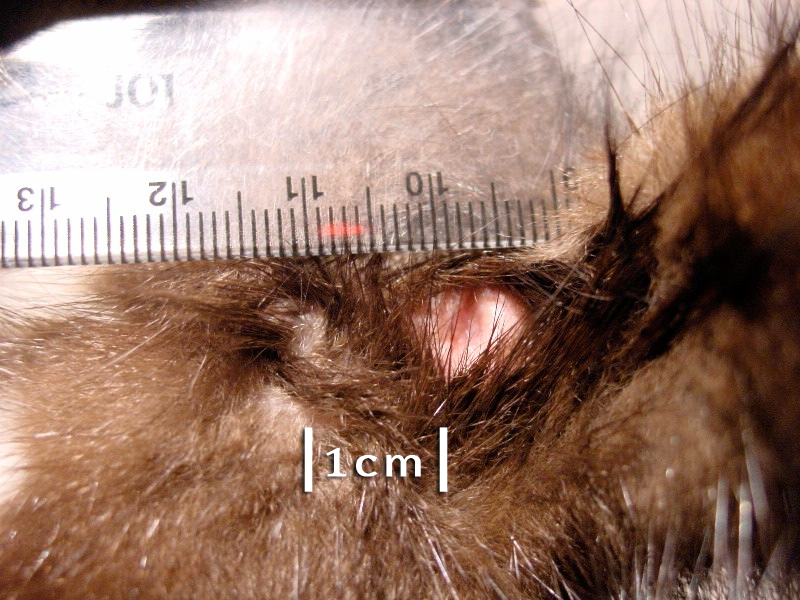
- Sex of the mink, if known
- Weight and/or length, where possible
- A clear photograph
- A tissue sample for DNA analysis, where sampling materials and training have been provided
- Any notable observations about the trap, location or animal
DNA: data that drives action
DNA samples help turn individual captures into a clearer picture of mink populations. Genetic analysis can show how mink are related, where they may have come from and whether cleared areas are being recolonised. This evidence helps make trapping networks more targeted and supports the wider ambition of permanent eradication.
If you need sample tubes, training or advice, contact the Trust before taking a sample and follow the approved process.
After the visit
Finish every response by updating the project record and checking that the trap is safe, secure and ready for its next activation. Accurate records protect animal welfare, support volunteers and give the project the evidence it needs to measure progress.
-
- Submit the capture record as soon as possible
- Send photographs and sample details to the coordinator
- Record trap status and any maintenance needed
- Check the trap, alarm cable and raft before leaving
- Report any safety concern, repeated non-target capture or equipment fault
This layout reflects the Trust’s guidance on lawful humane dispatch and the value of capture records and DNA sampling to mink-eradication work.